)
)
Miniature Poodles are smart, sprightly, and full of charm, but behind that elegant exterior is a pup with some complex nutritional needs. From managing sensitive stomachs to supporting joint health, what you feed your Poodle can shape their wellbeing in a big way.
So, what exactly should go in their bowl? We break down the essential building blocks — from high-quality proteins to gut-friendly extras — and share expert-backed ways to help your Mini thrive at every stage of life.
Read more: Miniature Poodle breed insights: care, personality & expert tips
How nutrition can help common Miniature Poodle health concerns
Sensitive stomachs
Miniature Poodles can experience sensitive tummies, which can lead to digestive upsets, like diarrhoea or gas. A real food diet that includes gently cooked, high-quality proteins and prebiotic dietary fibre can support a healthier, more balanced gut microbiome.
Try this:
Human-grade, gently cooked proteins (like Lyka) are 10% more digestible than proteins in dry food, making them ideal for Poodles with delicate digestion.
Read more: Sensitive stomachs in dogs: how to relieve your pup's discomfort
Skin allergies
Miniature Poodles often experience skin issues due to food or environmental allergies. A real food elimination diet using a novel protein can help identify triggers and reduce/manage reactions.
Try this:
A novel protein diet, like Lyka’s Hypoallergenic Pro made with goat, is less likely to trigger allergic responses. It excludes common allergens such as chicken, beef, wheat, corn, soy, dairy, and egg.
Read more: Dog skin allergies: triggers, symptoms and itch relief treatment (with photos)
Joint support
Despite their small size, Miniature Poodles can develop joint issues, like patellar luxation. In this condition, the kneecap slips out of place, often to the inside or outside of the leg, instead of staying in its groove.
Try this:
Including ingredients with anti-inflammatory properties, like Omega-3 fatty acids from fish oil, plus antioxidant-rich ingredients like turmeric and ginger, can support healthy joints.
)
How to choose the best food for your Miniature Poodle
Fresh food, raw, wet or dry? Supermarket, pet shop, or delivered to your door? There are so many dog food options on the market — where do you begin?
1. Complete and balanced
Miniature Poodles, like all pups, need a complete and balanced diet containing the right nutrients in the right proportions.
Australia has pet food standards, but they’re largely unregulated. Many brands follow AAFCO (Association of American Feed Control Officials) or FEDIAF (European Pet Food Industry Federation) guidelines.
Meeting AAFCO and FEDIAF standards is just the start. Lyka meals are formulated by a team of Board-Certified Veterinary Nutritionists to ensure they’re complete and balanced for all life stages.
Read more: Dog food ingredients: a glossary of common and confusing terms
2. Optimal nutrition for your Miniature Poodle
Not all dog food is created equally. Variety and quality of ingredients and cooking methods can all impact the nutrient availability of your dog’s food.
Many raw dog food options present a good balance of high-quality protein, fresh produce, and superfoods. But not all dogs can easily digest raw food, especially pups with a weakened immune system or digestive issues.
Dry food (kibble) often contains high amounts of carbohydrates and synthetic vitamins and minerals. The animal protein used in kibble is often pet-grade, like meat meal or meat by-products that vary in quality and are not subject to the same checks as human-grade meat. Kibble is usually cooked at high temperatures, which can reduce digestibility and can lead to the potential formation of harmful compounds, like acrylamides.
Home cooking can be a great option for your dog, but making sure each mouthful is complete and balanced is not easy to do without expert guidance.
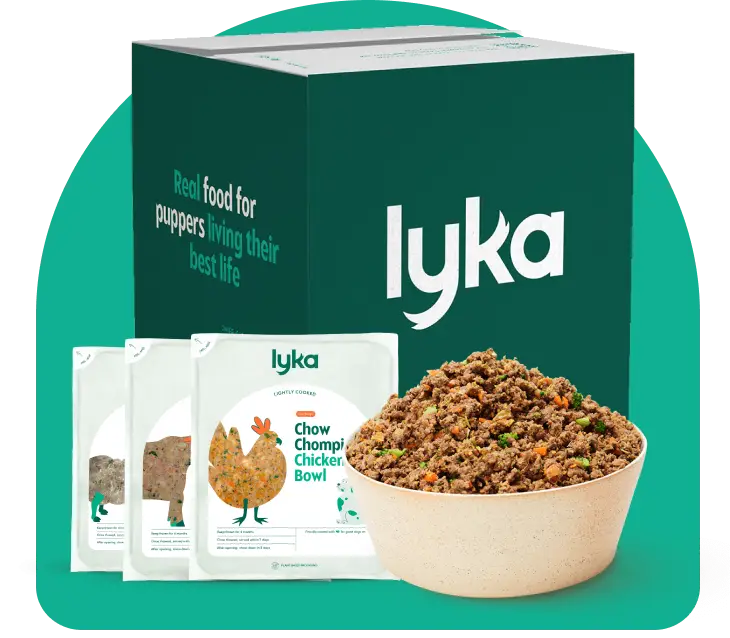
Lyka meals are made using human-grade ingredients and are gently cooked, then snap-frozen to retain their nutritional value and digestibility. Each meal is high in protein and custom-portioned to meet your dog’s daily needs.
Want to dig deeper into which type of food is best for your Miniature Poodle? We’ve created a series of guides to help you make an informed choice.
Read more: Freshly cooked vs kibble for dogs: which is better?
Read more: Freshly cooked vs raw meat for dogs: which is better?
Read more: Fresh vs home cooking for your dog: which is better?
Read more: Freshly cooked vs wet food for dogs: which is better?
)
How much food does a Miniature Poodle need?
Serving size recommendations based solely on weight don’t tell the full story. Your dog’s energy level, lifestyle and body condition score are all part of the picture.
That’s why Lyka calculates your Miniature Poodle’s portion sizes based on their personal profile, not just on their weight.
Establish a consistent feeding routine with your Miniature Poodle to support their digestion, especially if they have a sensitive stomach.
Do Miniature Poodle puppies and senior dogs need special food?
Not necessarily. Nutrient-dense, real food meals formulated for all life stages — like Lyka — cover the daily requirements of both growing pups and dogs in their golden years.
Read more: What should puppies eat? Expert nutrition tips for optimal development
Read more: Why real food is the healthiest choice for senior dogs
)
New to Lyka? Let’s rethink dog food together
Parenting a Miniature Poodle comes with plenty of decisions. Choosing what’s in their bowl is one of the most important.
Designed by Board-Certified Veterinary Nutritionists and made with real, human-grade ingredients, Lyka meals are custom-portioned to match your dog’s needs.
Miniature Poodles across Australia are already thriving on Lyka — yours could be next. Join our pack of proud Miniature Poodle parents today.
)
)
)
)
)