)
)
Protein plays a leading role in your dog’s health, from supporting strong muscles to keeping their immune system firing. But here’s the thing: not all protein is equal. That big percentage on your dog’s food label? It doesn’t tell the full story. What matters more is protein quality, digestibility, and amino acid profile — the real building blocks of your dog’s health.
At Lyka, real food comes first. Our fresh dog food is designed by Board-Certified Veterinary Nutritionists and made with human-grade ingredients — delivering high-quality protein to your dog.
So, how much protein does your dog really need? What makes some proteins easier to digest than others? And are high-protein diets always the right call? Let’s unpack what matters most.
Key Summary
Protein supports every major function in your dog’s body — from muscle development and energy production to immune health.
Not all protein is equal. Quality, digestibility, and amino acid profile matter more than crude percentage alone.
Dogs need 22 amino acids, and 10 must come directly from food.
Puppies, seniors, and nursing dogs all require more protein support than adult dogs.
AAFCO minimum standards are 22.5% (dry matter) for puppies/pregnancy, and 18% (dry matter) for adult dogs, but ideal protein intake varies based on age, activity, breed, and health.
High-quality protein is complete, digestible, bioavailable, gently cooked and ethically sourced.
A diverse mix of protein types can benefit most dogs.
Some dogs benefit from single or limited-protein meals, while others thrive on rotation or variety.
Lyka meals are formulated with fresh, human-grade proteins that are gently cooked and custom-portioned for your dog.
*‘dry matter’ (DM) describes the amount of nutrients after all the moisture has been removed. It allows for a like-for-like comparison between all types of dog food, from raw, dry, to gently cooked.
What’s protein, and why is it so important?
Protein is a vital macronutrient made up of amino acids — the building blocks of nearly every tissue, enzyme, and hormone in your dog’s body. Dogs need 22 amino acids, and while they can produce 12 themselves, the other 10 must come from food.
Protein supports:
Muscle development and maintenance
Tissue repair (skin, organs, hair, nails)
Immune function
Hormone and enzyme production
Supports metabolism
Energy production and regulation
But it’s not just about the crude protein percentage on the label. If the protein source is poor quality, overly processed, or hard to digest — your dog may not absorb the nutrients as effectively as they need.
)
How much protein do dogs actually need?
There’s no single magic number. Your dog’s ideal protein intake depends on their breed, size, activity level, age, and health status.
According to AAFCO (Association of American Feed Control Officials) the minimum protein requirements in food for adult dogs is only 18% (dry matter) and 22.5% (dry matter) for puppies and pregnant dogs.
Is a high-protein diet good or bad for dogs?
For healthy dogs, a high-protein diet is not bad and can be beneficial. The key is ensuring the protein comes from high-quality, bioavailable sources.
Some owners worry: is too much protein bad for dogs? But for dogs with no pre-existing medical conditions, the body is well equipped to metabolise moderate to high levels of protein.
There is no defined “optimal” protein level in dog food. How much protein per day for dogs varies based on size, breed, metabolism, life stage, health conditions, and exercise level, making ‘one-size fits all' recommendations inappropriate.
High-protein, low-carbohydrate diets have been shown to support metabolic health2. At Lyka, we’ve followed that science. Our meals range from moderate to high in protein3 — averaging around 56% protein, 16% carbs, and 16% fat (dry matter basis), carefully formulated by Board-Certified Veterinary Nutritionists.
Protein requirements by life stage
Although there is no ‘perfect’ protein percentage, dietary requirements change across growth stages, affecting their demand for protein.
Puppies
This is a critical window for growth and development. Puppies need a sufficient supply of essential amino acids, including lysine, arginine and leucine, to support muscle formation, immune development, and cellular growth.
Read more: What should puppies eat? Expert nutrition tips for optimal development
Adult dogs
Protein helps maintain lean muscle mass, power metabolism, and support healthy skin and coat.
Amino acids like methionine, threonine, and cysteine play key roles in ongoing repair and recovery — especially for active dogs.
Senior dogs
As dogs age, they naturally lose muscle mass. That’s why high-quality, digestible protein becomes even more important, not less.
Proteins rich in leucine and lysine help preserve muscle and support joint mobility. And because their digestive systems may slow down, the digestibility of protein really matters.
For senior dogs slowing down on walks, better protein can mean more tail wags and longer adventures.
Read more: Why real food is the healthiest choice for senior dogs
Pregnant and nursing dogs
During pregnancy, dogs need sufficient protein with complete amino acid profiles to support fetal development.
Once nursing, the nutritional demand peaks. High-protein meals with complete amino acid profiles are essential to keep up with milk production and recovery.
Working and active dogs
Working breeds, agility dogs, or those with active lifestyles have increased protein demands. Branched-chain amino acids (BCAAs) — especially leucine, isoleucine and valine — are crucial for muscle recovery, endurance and stamina.
Whether it’s sheep herding or sprinting at the park, high-protein meals support performance and faster recovery.
Across all life stages, the key is not just meeting minimum levels but providing bioavailable protein with a full amino acid profile as part of a complete and balanced diet.
)
So, what’s considered a high-quality protein for dogs?
Not all protein is created equal. The best protein for dogs is:
Complete: Contains all essential amino acids (animal-based proteins do this best)
Digestible: Easily broken down and absorbed
Bioavailable: Nutrients are in a usable form
Gently cooked: To preserve nutrients without over-processing and for safety (preventing the transmission of pathogens)
Human-grade: Safe, tested, and ethically sourced
At Lyka, we prioritise real, human-grade animal proteins like grass-fed beef, free-range chicken, grass-fed lamb, barn-raised turkey and wild-caught kangaroo — each selected for digestibility, nutrient density, and ethical sourcing.
Read more: Human-grade dog food: is it worth the investment?
What are the different types of protein?
There are six main types of protein with different benefits: animal, seafood, plant, novel hydrolysed and insect proteins.
There is no single ‘best’ protein as it depends on lifestage, health, and activity level. Many dogs benefit from eating a variety of protein sources to provide a wider profile of nutrients and amino acids, support a robust and diverse gut microbiome, and prevent food boredom.
Animal-based proteins
Animal proteins are widely used in canine diets because they offer complete amino acid profiles, excellent digestibility and strong support for muscle, skin and coat health. They most closely resemble an ancestral diet.
Lamb
Lamb meat is a calorie dense protein with a hearty flavour that’s great for active or working dogs. Lamb liver is a great source of iron, while heart and lung are rich in B vitamins for blood and cell production. This protein is also a great source of omega-3 fatty acids to support skin and coat health and to address inflammation.
Lyka Lamb Bowl contains 74% lamb (46% DM Crude Protein) primarily from lamb mince, heart, lung, and liver.
Read more: Lyka Grass Fed Lamb Bowl
Chicken
Chicken is a lean, versatile, and tasty protein that’s a favourite with many dogs. Chicken offers high digestibility, essential amino acids, and nutrient-dense meat.
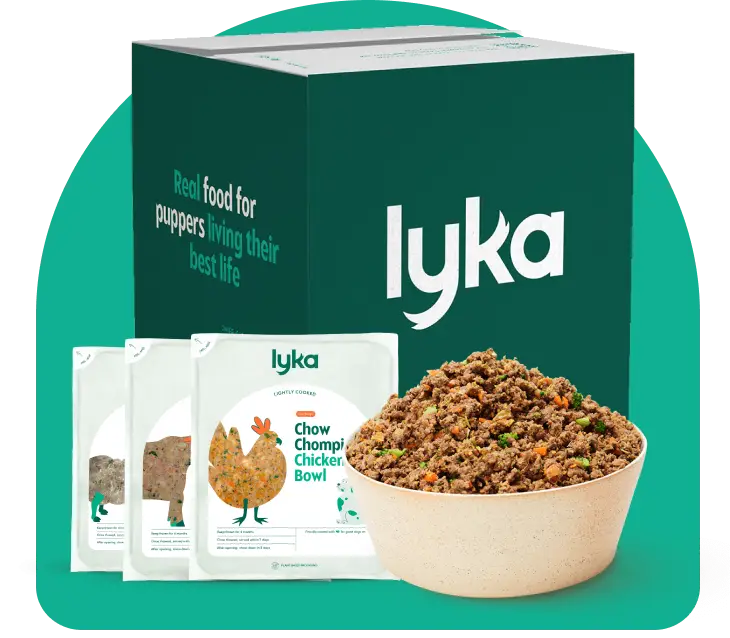
Lyka Chicken Bowl contains 69% chicken (65% DM Crude Protein) primarily from chicken breast, heart, liver, and eggs, selected for their complete amino acid profile.
Read more: Lyka Free Range Chicken Bowl
Turkey
Turkey is a lean protein often used for dogs with sensitive stomachs. It includes essential minerals like selenium to support the immune system, and tryptophan, an amino acid that can contribute to feelings of calmness.
Lyka's Turkey Bowl contains 29% turkey and 29% Pork (48% DM Crude Protein) from turkey mince and pork liver, heart and kidney.
Read more: Lyka Barn Raised Turkey Bowl
Beef
Beef is a high-quality, complete protein that’s rich in iron, zinc, and B vitamins. Human-grade beef protein can include muscle meat and nutrient-rich organs like the heart and liver. Dog owners often choose beef for its flavour, digestibility, or suitability for active or working dogs.
Lyka Beef Bowl contains 64% beef (55% DM Crude Protein) primarily from beef mince, heart, liver, and sardines for their omega-3 fatty acids.
Read more: Lyka Grass Fed Beef Bowl
)
Novel, single, or exotic proteins
A novel protein is one that your dog hasn’t eaten before or only very rarely. They’re often ‘exotic’ sources, which means they’re not typically used in dog food, like kangaroo, goat, or crocodile.
Single-source protein diets only contain one form of specified protein. Single, novel protein diets are ideal for dogs with a food allergy or intolerance and are key to identifying trigger ingredients in elimination trials.
Kangaroo
Kangaroo is an ultra-low-fat novel protein, rich in essential amino acids and minerals. It’s highly digestible, making it a great option for dogs with sensitive stomachs.
Lyka Wild Caught Kangaroo Bowl contains 62% kangaroo (67% DM Crude Protein) from kangaroo mince. It also contains fish oil, selected for its anti-inflammatory properties, making this a limited protein meal, but not a single protein meal.
Read more: Lyka Wild Caught Kangaroo Bowl
Goat
Goat is a naturally lean novel protein that offers a strong amino acid profile and is a tasty alternative for dogs with sensitivities to common proteins.
Lyka Hypoallergenic Pro contains 71% goat (47% DM Crude Protein) from goat mince, heart, and liver.
Read more: Lyka Hypoallergenic Pro therapeutic diet
Fish & seafood-based proteins
Seafood is highly digestible and chock full of natural anti-inflammatory properties from Omega-3 fatty acids (EPA and DHA) – great for supporting skin, coat, joint health and cognitive function.
Salmon, sardines, and mackerel
Salmon, sardines, and mackerel are nutrient-dense proteins that are as good for dogs as for humans.
Sardines are also a great source of Vitamin B3, B12 and D, selenium.
Lyka includes sustainably caught sardines in the Grass Fed Beef Bowl for their multiple health benefits.
)
Plant-based protein
Plant proteins are often a great source of energy and fibre. They have an incomplete amino acid profile, which means they shouldn’t act as a primary source of protein, but can be a supplementary protein in a complete and balanced diet.
Peas, lentils, and chickpeas
Peas provide lysine, fibre and resistant starch to support the microbiome, while other legumes like lentils and chickpeas offer iron, vitamins, and slow-release carbohydrates.
So, is protein from peas good for dogs? In small amounts, whole peas can support fibre and gut health, but too many legumes can cause digestive upset, including an increase in gas.
Hydrolysed proteins for dogs
Hydrolysed proteins have been broken into smaller peptides – short chains of amino acids that are the building blocks of protein. The immune system is less likely to recognise these peptides as allergens.
For this reason, hydrolysed protein for dogs is often recommended by vets for severe food allergies or intolerances, chronic enteropathy, and pups undergoing a strict elimination diet.
Common hydrolysed proteins include chicken, turkey, beef, salmon and soy — but they’re usually found in prescription foods, not fresh meals.
Owners often ask: is soy protein bad for dogs? Whole soy can be problematic for some dogs, but hydrolysed soy protein is processed differently and is less likely to trigger immune reactions.
Insect proteins for dogs
Insect protein for dogs is an emerging, highly sustainable protein source, but long-term research on digestibility and amino acid adequacy is still limited.
They’re often used as a novel protein in hypoallergenic diets, but you may also find the use of mealworms and crickets in treats.
What types of protein diets should I adopt?
Every dog is different, so a ‘one-size-fits-all' diet isn’t always the best approach. Dog food labels can also be very confusing, and although the food might be labelled as ‘beef’ or ‘with chicken’, it can often contain other proteins or unspecified ‘meat’, depending on availability and cost.
Single-protein diets for dogs
A single-protein diet for dogs gives clarity and control over a dog’s diet – especially important if your pup has a food allergy, intolerance, or a sensitive digestive system.
Limited protein diets
A limited protein diet contains only one or two specified proteins. Most Lyka meals are 'limited protein' because they contain fish oil or sardines in addition to the main animal protein.
Multi-protein diets
Dog food diets containing more than one protein offer amino acid diversity, taste variety, and balanced nutrition. As with all diets, it’s best to choose one that specifies the protein sources instead of just labelling the content as ‘meat’.
Rotational diets
Unless your dog has an allergy or intolerance, it can be beneficial to feed them different proteins on rotation. Rotating your dog’s diet exposes them to a wide variety of ingredients, supporting their microbiome. It can also help to prevent food boredom and may reduce the risk of developing intolerances.
High-protein diets
Working dogs or highly active breeds may benefit from a high-protein diet for energy and muscle repair.
Protein-restricted diets
Some dogs may be required to limit their protein intake under veterinary supervision. This is usually for medical conditions like kidney or liver disease.
How Lyka formulates protein for optimal canine health
At Lyka, we take a scientific, real food approach to protein. All Lyka meals are designed by Board-Certified Veterinary Nutritionists to be complete and balanced.
Human-grade meats and seafood — no by-products like meat meal or animal digest.
Balanced amino acid profiles for complete nutrition
Gently cooked to preserve nutrients and improve digestibility
Variety across meals with a range of real food ingredients to support long-term health
Formulated by Board-Certified Veterinary Nutritionists and guided by the latest nutritional science
Transparent sourcing with locally and ethically obtained ingredients – 85-95% of each recipe is made using Australian ingredients
Custom-portioned meal plans tailored to your dog’s personal profile
High palatability to ensure even fussy dogs enjoy their meals and get all the daily nutrients they need. The results of a study conducted with a world-class veterinary leading university revealed 9 out of 10 dogs prefer Lyka over premium kibble.
High meat content ensures optimal amino acid delivery
Read more: The life-changing benefits of real food for dogs
)
Better protein for better health
Protein isn’t just a number on a label — it’s the powerhouse behind your dog’s strength, energy, health and wellbeing. But not all proteins are created equally. From complete amino acid profiles to gentle cooking that preserves nutrients and supports digestibility, the smartest protein choices start with quality, not quantity.
Lyka meals are formulated with fresh, human-grade proteins and guided by veterinary science — tailored to meet your dog’s needs at every life stage, whether they’re in puppyhood or strolling into their golden years.
Ready to see the difference better protein can make? Get started on Lyka and take the first step towards better health, one bowl at a time.
FAQ
Is Lyka high-protein?
Lyka recipes contain high levels of protein while remaining safe and appropriate for dogs. Because Lyka uses fresh, human-grade meat and organs, the amino acid profile is naturally complete and bioavailable – no need for any additives.
How is Lyka formulated for dogs?
Lyka is formulated by Board-Certified Veterinary Nutritionists using a range of fresh meats, seafood, vegetables, fruits and superfoods. Each meal is complete and balanced and custom-portioned to meet your dog’s daily nutritional and caloric needs. We are transparent about what’s in each meal, so you know exactly what your dog is eating.
Read more: Our Meals: Nourishing your dog one bowl at a time
Does high protein mean low carb and low fat?
Not necessarily. A complete and balanced diet includes appropriate levels of fat (for energy, hormones, and skin health) and carbohydrates (for fibre and micronutrients). Lyka meals balance these macronutrients carefully for optimal health. We use low-GI carbohydrates from vegetables and ancient grains for steady energy release and satiety. Our meals range in fat content from 23% (DM) in our Lamb Bowl to 9% (DM) in our ultra-low-fat Kangaroo Bowl.
Are protein bars bad for dogs?
Most human protein bars are not safe for dogs. They often contain artificial sweeteners (including xylitol), chocolate, high sugar levels, caffeine or added supplements. Stick to dog-formulated treats onlylike Lyka’s single protein Chickey Chews, Beefy Bites, or Lamb Bark.
Is duck a novel protein for dogs?
Duck is often considered a novel protein because it’s less common in commercial diets. It may suit dogs with food sensitivities.
Is protein powder safe for dogs?
Human protein powders are not recommended. They may contain additives, flavourings or artificial sweeteners that are toxic to dogs. Only use dog-formulated supplements under veterinary guidance.
How much protein is suitable for a dog with kidney disease?
Protein needs in dogs with kidney disease varies depending on the stage of the disease. Dogs in the early stages may tolerate moderate to high levels of protein, while those in the later stages of the disease may require protein restriction. When it comes to the most appropriate type of protein, the focus should also be on highly digestible protein. It’s important to follow your veterinarian’s guidance for your dog’s specific situation.
How much protein is suitable for a senior dog?
Healthy senior dogs often need equal or higher amounts of high-quality protein than adults to prevent muscle loss. Digestibility matters for optimal nutritional absorption — fresh, lean proteins are ideal.
References:
1Macronutrient intake of dogs, self-selecting diets varying in composition offered ad libitum
)
)
)
)
)
)