)
)
With their curly coats and clever expressions, Miniature Poodles are more than just pretty faces. Highly intelligent and full of personality, these pint-sized powerhouses love to learn and bond deeply with their humans. Their eagerness to please makes them famously trainable — but their sensitivity and energy mean they need more than just repetition to succeed. The way you train (and fuel) your Poodle can have a big impact on their confidence, focus and long-term behaviour.
So, how do you bring out the best in them? From understanding common quirks to supporting their learning through nutrition and lifestyle, here’s how to set your Miniature Poodle up for success.
Read more: Miniature Poodle breed insights: care, personality & expert tips
Miniature Poodle temperament and trainability
Miniature Poodles are sharp, curious, and people-oriented — all traits that make them naturally receptive to training. They often excel in obedience, agility, and even trick training thanks to their quick wit and enthusiasm.
However, their intelligence can come with a twist. If not mentally stimulated, they’re prone to boredom, which can lead to mischief. They’re also emotionally sensitive and may become anxious if training is too harsh or inconsistent.
The good news? With positive reinforcement, structure, and a bit of creativity, Miniature Poodles can become star pupils. Celebrate their wins, keep sessions upbeat, and always tune into their emotional needs.
)
Health considerations that can affect training
Miniature Poodles may be small, but their health needs can have a big impact on how well they respond to training. Like many breeds, they can experience a few common conditions that influence their comfort, motivation, and focus.
They can be prone to:
Sensitive stomachs, which can lead to discomfort, diarrhoea or gas — all of which may make learning more difficult. A real food diet with gently cooked, high-quality proteins and prebiotic fibre supports a balanced gut and better digestion.
Try this: Human-grade, gently cooked proteins (like Lyka) are 10% more digestible than those in dry food — ideal for pups with delicate tummies.
Skin allergies, often triggered by food or environmental factors. These can cause itching and irritation that makes it hard for your Poodle to focus. A real food elimination diet using a novel protein source can help.
Try this: Lyka’s Hypoallergenic Pro recipe with goat avoids common allergens like chicken, beef, wheat, corn, soy, dairy, and egg.
Joint issues, such as patellar luxation, where the kneecap shifts out of place. This condition can affect mobility and training participation, especially for active dogs and extended training sessions.
Try this: Support healthy joints with anti-inflammatory ingredients like Omega-3 fatty acids from fish oil, plus turmeric and ginger.
If your Miniature Poodle seems unmotivated, distracted, or reactive, a health check-up could help uncover what’s going on beneath the surface.
How real food fuels your Miniature Poodle’s focus
Just like us, dogs learn best when they’re feeling healthy, balanced and energised. Diet plays a big role in your pup’s ability to focus, stay calm, and retain information.
Miniature Poodles benefit from:
Steady energy sources like butternut squash and sweet potato, which have a low glycaemic load and help release energy slowly.
Essential fatty acids like DHA and EPA (omega-3s from fish, mussels, or fish oil) support brain health and development, memory, and learning.
Fresh, bioactive nutrients to support immunity, skin health, and overall wellbeing.
“A fresh food diet packed with brain-boosting nutrients supports your dog’s ability to learn and adapt. Omega-3s, especially DHA, are critical for memory and cognitive function.”
– Dr Alex England, Lyka Veterinarian, BVetMed MANZCVS (Small Animal Veterinary Practice)
Learn more about Dr Alexander England and his veterinary experience.
All Lyka meals are formulated by Board-Certified Veterinary Nutritionists to provide complete and balanced nutrition for learning, growth, and everyday health.
Read more: What do Miniature Poodles eat? Breed-specific nutrition tips
)
Exercise first for improved focus
Miniature Poodles are active, athletic dogs who benefit from daily physical and mental activity. A brisk walk, game of fetch, or a few minutes of tug before training can help release excess energy and improve focus.
Try:
Short walks before training
Interactive toys or puzzles to warm up their minds
Light agility exercises to channel their energy positively
Training tips for Miniature Poodles
Miniature Poodles are bright, eager, and quick to learn — but their intelligence means they need mental stimulation and clear, consistent guidance to stay engaged.
Keep sessions short, sweet, and full of positive vibes. Here’s what works best:
Positive reinforcement
This is the gold standard for training. Marking good behaviour with rewards like praise, affection, treats, or continued interaction teaches your pup how to behave, and supports a strong and positive relationship.
Double up on rewards to mark excellent responses from your Miniature Poodle, like praise and a pat, or praise and a treat.
Find their favourite motivator
Miniature Poodles often respond well to food, toys, or even praise — but every dog is different. Find what lights them up, whether it's a nibble of roast chicken or playtime with their favourite squeaky toy.
Train at the right time
Even smart dogs can have off days. Make sure your Poodle isn’t too tired, too full, or overstimulated before a session. Mental enrichment through training can be tiring, so stop if your pup starts losing focus.
Stay consistent
Use the same cues, tone, and expectations every time. Poodles thrive on routine, and consistency helps them learn faster and with more confidence.
Be playful and engaging
Training doesn’t have to be all business. Your Miniature Poodle will respond best when you're upbeat, encouraging, and interactive.
Watch their body language
Miniature Poodles are emotionally sensitive. If your dog starts to look overwhelmed or fatigued, give them a break. Training should end on a high note whenever possible.
Training your Miniature Poodle puppy
Miniature Poodle puppies are intelligent, bouncy, and surprisingly eager to learn — though their energy can sometimes outpace their focus.
What works?
A regular toilet routine
Positive crate training for safe sleep and downtime
Early and controlled socialisation with people, dogs, sounds, places, and situations
Miniature Poodles respond best to kind, clear training. Skip the harsh corrections and focus on trust-building methods that help them feel safe and confident.
)
Training your adult Miniature Poodle
Just because your Miniature Poodle is out of puppyhood doesn’t mean the training stops. In fact, ongoing mental stimulation is essential to keep their mind sharp and behaviour balanced.
This might look like:
Reinforcing polite greetings at the door
Learning new tricks or games
Adjusting to life changes, like moving house
Training for mobility support, like using a ramp in senior years
Dogs have neuroplasticity, meaning they’re capable of learning at any age. Keep training light and engaging, and celebrate progress — no matter how small.
Read more: Training adult dogs: expert tips to boost learning, brain health, and bonding
When to call in a trainer or behaviourist
Not sure if your Miniature Poodle’s quirks are just stubbornness — or something deeper?
A trainer is your go-to for obedience, manners, and routine behaviours. A qualified behaviourist, on the other hand, is best for issues like:
Reactivity
Anxiety or phobias
Aggression
Resource guarding
They work closely with your vet to address underlying causes and create a tailored plan. The earlier you seek support, the easier it is to create lasting change.
“If training your dog is very challenging, it may be worth considering a trainer or a behaviourist. The solution may be as simple as reframing what we expect from our dogs and our behaviours around them.”
— Laura V, qualified dog behaviourist
)
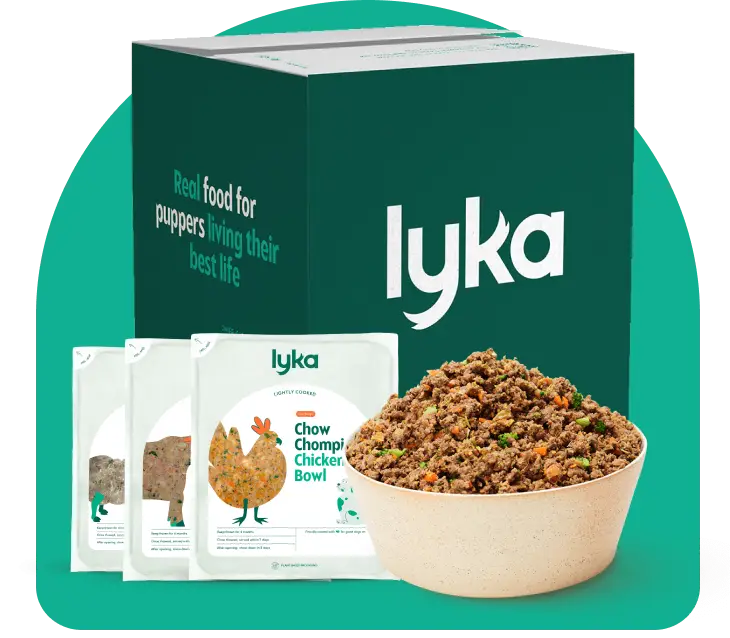
New to Lyka? Let’s rethink dog food together
Training your Miniature Poodle is a journey — one that requires consistency, creativity, and compassion. Whether you’re navigating house training with a stubborn puppy or teaching your senior dog new routines, every small win is a step toward a calmer, more connected life together.
And remember, a well-fed brain is a trainable brain. Supporting your Miniature Poodle’s learning with fresh, real food meals helps unlock their full potential.
Lyka nourishes hundreds of Miniature Poodles across Australia – from energetic pups to seniors in their golden years – they’re all thriving on Lyka.
)
)
)
)
)