
Fresh dog food to support dogs with food sensitivities
Food sensitivities can show up in surprising ways, like itchy skin, recurring ear infections, or tummy troubles. If your pup regularly has loose stools or skin issues, it’s worth taking a closer look at what’s in their bowl.
Discover how Lyka's fresh dog food can help support pups with food sensitivities.
What’s the best food for dogs with food sensitivities?
The best dog food for food sensitivities is complete and balanced, made with high-quality, clearly identified ingredients, and designed to be highly digestible while helping you avoid known triggers.
Fresh food can be a helpful option for some dogs because it’s minimally processed and can be easier to digest than ultra-processed dry food diets. Raw diets often use minimally altered ingredients, but can be harder to tolerate for some sensitive dogs and come with food safety considerations.
When comparing fresh dog food for dogs with food sensitivities (including allergies and intolerances), look for:
High-quality limited or novel animal protein as primary ingredients, and clearly specified on the label
Transparent labels so you can actually avoid suspected triggers
A complete and balanced formula that meets recognised standards (AAFCO or FEDIAF)
Essential fatty acids, including omega-3s, to support skin health
Balanced fibre to support digestion and the gut microbiome
No artificial preservatives, added sugars, or unnecessary fillers
Awareness of ingredient splitting (e.g., peas + pea protein + pea flour) which can hide high total amounts of one ingredient family
Diets made without common allergens like wheat, corn, soy, or dairy

Why choose Lyka for dogs with food sensitivities?
Lyka meals are formulated by Board Certified Veterinary Nutritionists to be complete and balanced, and easy to digest. Each meal is made with limited protein and clearly identified ingredients – so you know exactly what you’re feeding your dog.
Lyka’s Hypoallergenic Pro is a therapeutic diet made with goat – a novel protein, to minimise the chance of a reaction. Designed specifically for dogs with food sensitivities or gut issues, this meal can support elimination diet trials and long-term feeding, without compromising on nutrition.
The right nutrition isn’t the only piece of the puzzle — but it can be a powerful part of a vet-led plan.
Transparent and consistent ingredients
Mystery ingredients in commercial dog food, like unspecified ‘animal protein’ or vague terms like ‘animal by-product' or ‘meat digest’ can make it almost impossible to manage flare-ups.
Lyka meals are made with consistent, high-quality produce with transparent ingredients, so you can avoid triggers and have peace of mind about what you’re feeding your dog.
Support digestion and gut health
Food sensitivities can cause issues like vomiting, diarrhoea, and flatulence because your dog is struggling to digest an ingredient.
Lyka meals are gently cooked and made with highly digestible, nutrient-dense ingredients, plus fibre-rich wholefoods to support comfortable digestion and stool quality.
Skin health support
Itchy skin and ear infections are common reasons for dogs to end up at the vet and can be linked to food sensitivities.
Lyka meals are formulated to support skin health with key nutrients like Omega-3s (EPA/DHA), plus vitamin E, zinc, copper, and antioxidant-rich wholefoods.
Novel and limited protein meals
A limited protein diet typically includes only one or two proteins to reduce the number of potential allergens or irritants a dog is exposed to. A novel protein diet uses a protein source the dog hasn't eaten before, making an allergic reaction less likely.
All Lyka meals are limited protein, except our Hypoallergenic Pro therapeutic diet, which uses goat as a novel protein source.
Choose from 6 healthy meals for targeted support



Better for them easier for you
Healthier dog food, delivered conveniently on a flexible plan.

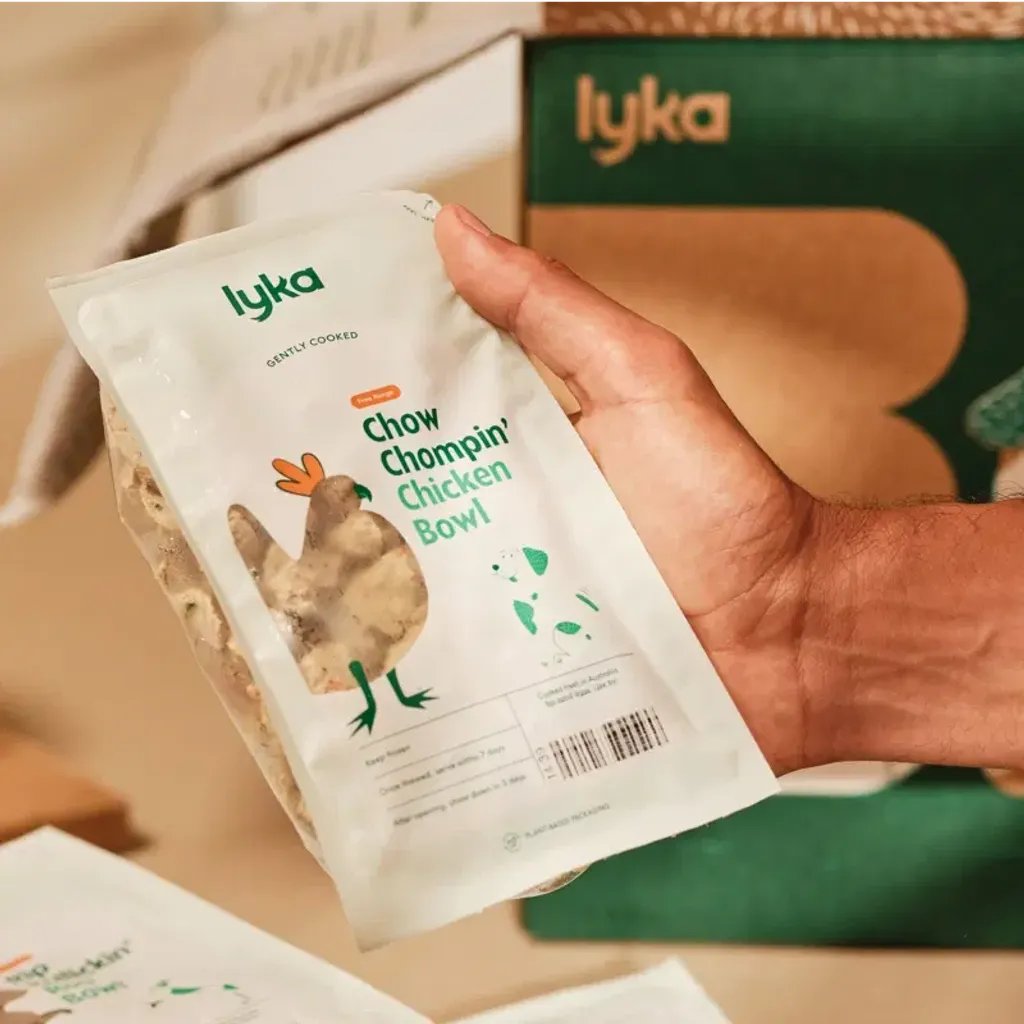
Perfectly portioned.
Just peel and serve.
1
Choose your flexible meal plan
Get a custom meal plan based on your dog’s health needs.
2
Cooked daily, delivered direct
Meals are prepared daily, snap-frozen and delivered direct.
3
Enjoy total flexibility and control
Switch up meals, skip an order, pause, delay or cancel.
Hear about food sensitivity support from Lyka’s experts
“A therapeutic diet like Hypoallergenic Pro can be a practical option for dogs with suspected food sensitivities because it uses a novel protein and a tightly controlled ingredient profile — which helps reduce potential triggers while still delivering complete and balanced nutrition to support the gut, skin, and overall wellbeing.”
Your food sensitivity FAQs, answered
What’s the difference between a food allergy and food intolerance in dogs?
A food allergy involves an immune response to an ingredient, while food intolerance is usually a digestive reaction where a dog can’t comfortably digest a specific ingredient. Both can cause tummy upset, and both can be linked to recurring skin or ear issues — so it’s worth speaking with your vet for the right diagnosis and plan.
What’s the best dog food for my dog with food sensitivities?
The best dog food for food sensitivities is complete and balanced, with highly digestible ingredients and a transparent ingredient list that helps you avoid known triggers. Some dogs do well on fresh food because it’s minimally processed, while still delivering complete daily nutrition. Consistency matters too — frequent changes can make it harder to identify what’s helping (or causing flare-ups). If symptoms are persistent, a vet-directed elimination diet trial is the gold standard.
What are the most common food triggers for dogs?
Common triggers can include animal proteins like beef, chicken, fish, and eggs as well as dairy and some grains like wheat, corn, and soy. Dogs can also react to additives or to diets where ingredients are unclear or split across multiple forms.
How do I know I’m choosing the right diet for food sensitivities?
Look for a diet that’s nutritionally complete and balanced (AAFCO or FEDIAF), with high-quality ingredients and clear labelling. Signs a diet may be suiting your dog can include comfortable digestion (good poos), steady energy, and healthy skin. Because food sensitivity symptoms can overlap with other conditions, it’s best to work with your vet, especially if symptoms are persistent.
Can my dog suddenly become allergic or intolerant to an ingredient?
Yes. Dogs can develop sensitivities to ingredients they’ve eaten for a long time, especially with repeated exposure. Some dogs may tolerate small amounts but react when intake increases or their overall diet changes.
Should I feed my dog a grain-free diet if they have a food sensitivity?
Not necessarily. Grain-free foods often replace grains with legumes (peas/beans), and legume-heavy diets have been associated with DCM concerns in certain contexts. What matters most is choosing a complete and balanced diet your dog tolerates well, with veterinary guidance when needed.
What are the most common diet concerns for dogs with food sensitivities?
Common diet concerns for dogs with food sensitivities include identifying the trigger ingredient so it can be avoided and finding nutritious food that won’t cause a reaction.
A vet-directed elimination diet can help you to discover which foods your dog is sensitive to. While a minimally processed diet with consistent ingredients and transparent labelling can make it easier to find nourishing food that you (and your dog) can trust.
Do dogs with food sensitivities need a special diet to address future health concerns?
Some dogs do best on a diet that avoids known triggers long-term. While others can develop more tolerance to trigger ingredients if they are eliminated for a period then reintroduced slowly. Every dog is different, so speak to your vet about what’s best for your pup. They may recommend a therapeutic diet, like Lyka’s Hypoallergenic Pro, and a specific feeding plan.
Do I need to give my dog with food sensitivities extra supplements?
If your dog is eating a complete and balanced diet, they should receive essential daily nutrients through food. Some dogs may benefit from targeted supplements depending on individual needs,
Lyka’s Go-To Gut Helper is a probiotic supplement to enhance intestinal health and general wellbeing. But it’s best to speak with your vet for tailored advice before making any dietary changes.
Is wet or dry food better for dogs with food sensitivities?
It depends on the dog and the ingredients, but ultra-processed dry foods can be harder for some dogs to tolerate or digest, plus they can often contain common allergens like wheat, corn, and soy. Fresh or wet foods can be more digestible for some sensitive pups, with the bonus of clearer ingredient choices and labelling. The best choice is the one that’s complete and balanced, tolerated well, and aligned with your vet’s advice.