Fresh dog food for hip dysplasia support
There’s nothing better than seeing your dog run carefree around the park. But for dogs with hip dysplasia, those moments can be painful and hard to enjoy.
Hip dysplasia is a structural issue in the joint, and although nutrition can't change hip anatomy, it can support healthy growth and help maintain body condition.
Discover how Lyka fresh food can support more comfortable days as part of a vet-led plan.
What’s the best dog food to support healthy hips?
The best dog food for hip dysplasia is complete and balanced, providing the right nutrients without overdoing the calories — because extra weight increases load through unstable hips and can make movement harder.
Fresh food can be one way to support overall wellbeing for dogs with hip dysplasia because it’s minimally processed and can be easier to digest than ultra-processed dry food. Raw diets often use minimally altered ingredients but may be harder to tolerate for some sensitive dogs and come with food safety considerations.
When comparing the best fresh dog food for hip dysplasia support, look for:
High-quality animal protein as a primary ingredient (to support lean muscle)
Carefully controlled portions to help maintain a healthy body condition
Balanced minerals, especially calcium and phosphorus, during early growth
Omega-3 fatty acids (EPA/DHA) to support healthy, supple joints
Complete and balanced formulation that meets recognised standards (AAFCO or FEDIAF)
No unnecessary fillers, added sugars, or artificial preservatives

Why choose Lyka for dogs with hip dysplasia?
Lyka meals are gently cooked, made with real ingredients, and formulated by Board-Certified Veterinary Nutritionists to deliver complete and balanced nutrition for all life stages.
If you’re searching for dog food for hip dysplasia, the goal is to support your dog’s comfort and mobility through everyday nutrition — especially by supporting healthy growth in puppies and helping adult dogs maintainlean muscle and an appropriate weight.
Controlled growth for puppies
Hip dysplasia is hereditary, but growth rate can influence risk in predisposed puppies.
Lyka supports slow growth plans for puppies with custom portions adjusting as your pup grows. Meals are also designed with balanced minerals, including the optimal Ca:P ratio of 1-1.5:1 for giant breeds, and 1-2:1 for small breeds.
Healthy weight maintenance
Extra weight increases the load through the hip socket and can worsen day-to-day comfort and movement.
Lyka meals are high-protein and avoid high-GI carbohydrates to support healthy weight maintenance. Low-fat options, like kangaroo and chicken, provide all your dog’s daily nutrients without compromising taste or satisfaction.
Lean muscle support for hip stability
Muscle can help to stabilise hip movement. Dogs with hip dysplasia may benefit from nutrition that supports lean muscle, especially through the hindquarters.
Lyka meals are built around high-quality, human-grade animal protein and contain a complete amino acids profile – essential for muscle growth and maintenance.
Omega-3 fats to support joint health
Omega-3 fatty acids contain anti-inflammatory properties to support joint health as part of a vet-guided hip dysplasia plan.
Lyka includes Omega-3 sources such as fish oil and sardines to support overall wellbeing and healthy joints.
Choose from 5 healthy meals for targeted support


Better for them easier for you
Healthier dog food, delivered conveniently on a flexible plan.
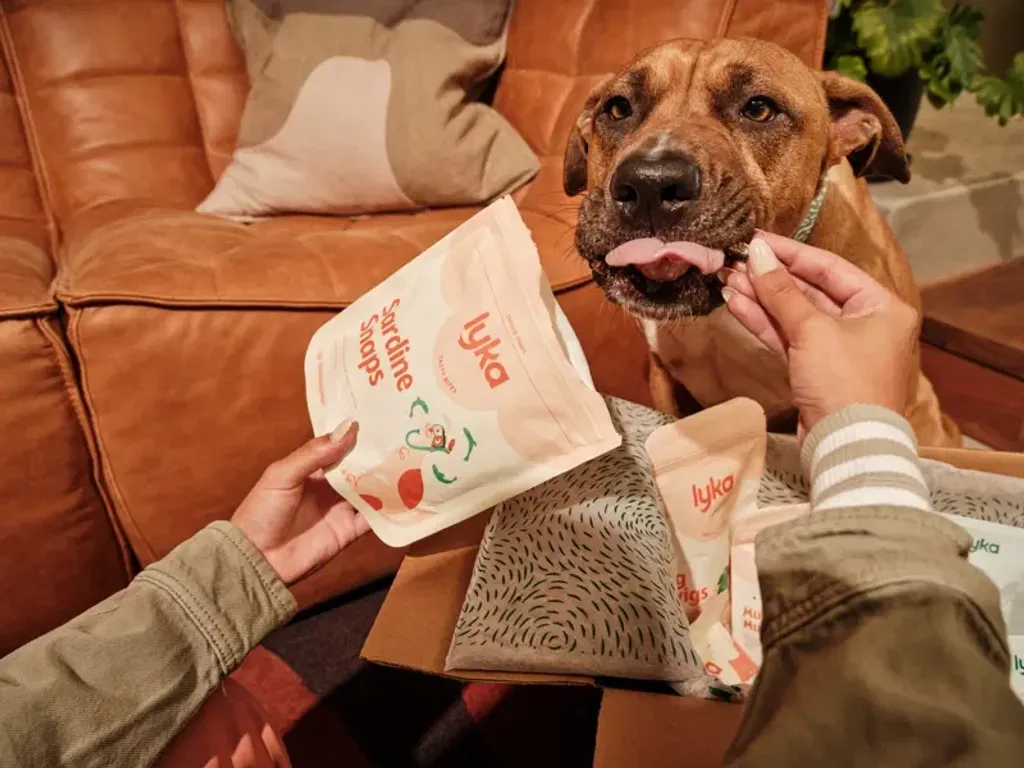
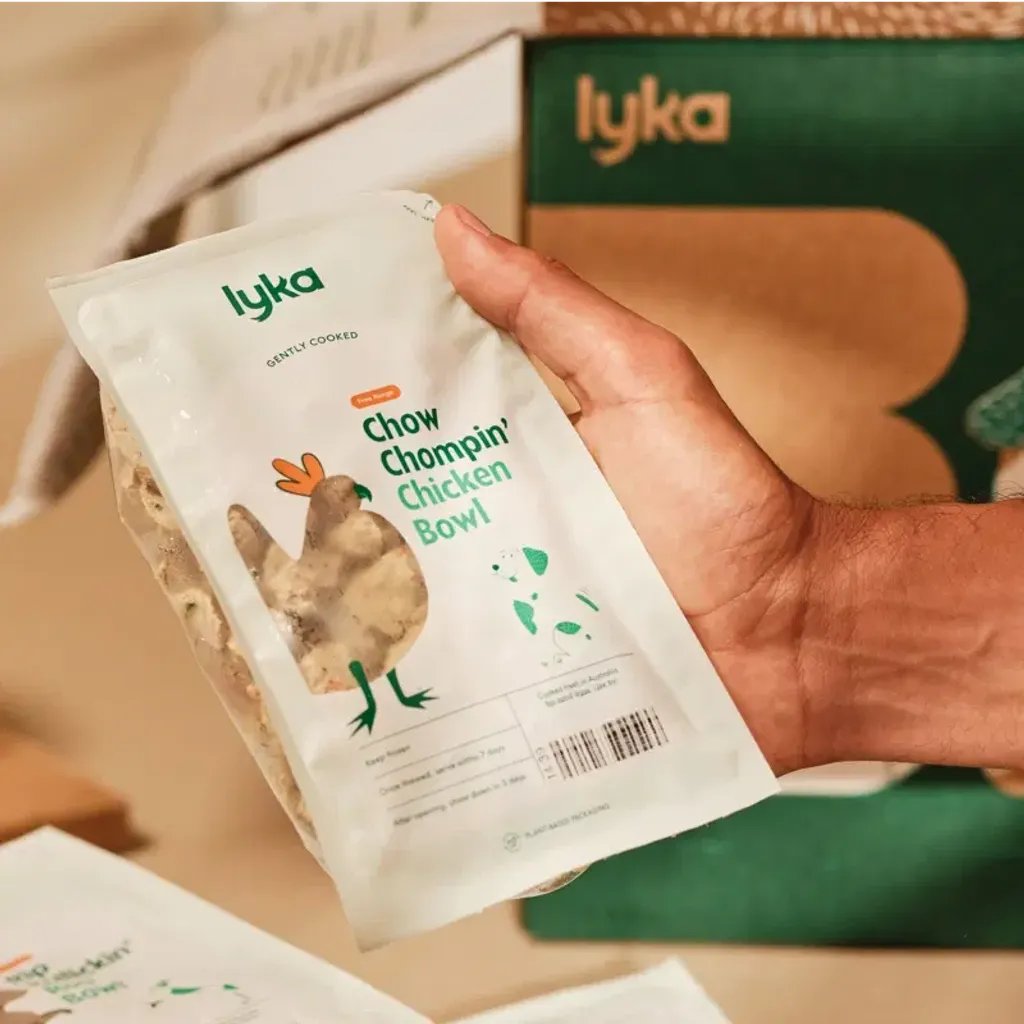
Perfectly portioned.
Just peel and serve.
1
Choose your flexible meal plan
Get a custom meal plan based on your dog’s health needs.
2
Cooked daily, delivered direct
Meals are prepared daily, snap-frozen and delivered direct.
3
Enjoy total flexibility and control
Switch up meals, skip an order, pause, delay or cancel.
Hear about hip health support from Lyka’s experts
“Hip dysplasia is a structural joint issue, so food won’t change the shape of the hips — but keeping a dog lean and well-muscled can make a real difference to comfort and mobility, and a complete and balanced fresh diet with quality protein and Omega‑3s can help support muscle maintenance and joint health as part of a vet-led plan.”
Your hip health FAQs, answered
What is hip dysplasia in dogs?
The hip is a ball-and-socket joint. Hip dysplasia is when the ball doesn’t fit properly into the socket, creating a loose, unstable joint. Over time, the body often tries to compensate, which can contribute to discomfort, lameness, and reduced mobility. If you suspect your pup has hip dysplasia, your vet can examine them and may recommend X-rays to confirm the diagnosis.
What are the first signs of hip dysplasia in dogs?
Common signs include limping or lameness, weakness or pain in the hindquarters, a wobbly gait, reluctance to run or jump, difficulty standing up or lying down, decreased activity, or an unusual gait. If you notice these signs, speak with your veterinarian — diagnosis may include a physical exam and X-rays.
What’s the best dog food for my dog with hip dysplasia?
The best dog food for hip dysplasia is complete and balanced and helps support a healthy body condition and lean muscle. Because hip dysplasia is a structural issue, keeping your dog at an ideal weight can help reduce unnecessary load through the hips. Look for diets made with high-quality protein, balanced minerals (especially during growth), and omega-3 fatty acids (EPA/DHA) as part of a broader, vet-guided plan.
How do I know I’m choosing the right diet for hip dysplasia?
The best dog food for hip dysplasia is complete and balanced and helps support a healthy body condition and lean muscle. Because hip dysplasia is a structural issue, keeping your dog at an ideal weight can help reduce unnecessary load through the hips. Look for diets made with high-quality protein, balanced minerals (especially during growth), and Omega-3 fatty acids (EPA/DHA) as part of a broader, vet-guided plan.
How do I know I’m choosing the right diet for hip dysplasia?
Choose a complete and balanced diet that makes it easier to maintain a healthy weight and provides consistent high-quality nutrition. Useful signs you’re on track can include stable body condition and steady energy, but because hip dysplasia can involve pain and gait changes, work with your veterinarian to monitor comfort and mobility alongside diet.
Are there specific nutrients that dogs with hip dysplasia need more of?
Dogs with hip dysplasia often benefit from high-quality animal protein and Omega-3 fatty acids. Puppies also benefit from carefully balanced minerals (like calcium and phosphorus) to support slow and steady growth, especially large and giant breeds.
Are grain-free diets better for dogs with hip dysplasia?
Not necessarily. If your dog has a confirmed grain allergy or sensitivity, a grain-free diet may help. But some grain-free diets replace grains with high proportions of legumes that can cause digestive upset and have been associated with dilated cardiomyopathy (DCM). What matters most is the overall quality of a complete and balanced diet made with digestible ingredients and key nutrients to support your dog’s joint health.
How much protein, carbs, and fats should dogs with hip dysplasia eat?
Dogs with hip dysplasia typically do well with adequate high-quality protein to support muscle, balanced healthy fats (including Omega-3s), and low-GI carbohydrates suited to their energy needs. One very important practical factor is your dog’s total calories to support a healthy weight. Lyka’s custom portioned meals are an easy way to give your dog their daily requirements without the guesswork at mealtimes.
What is the best dog food for loose stools?
If you're looking for dog food for loose stools, choose a complete and balanced diet made with highly digestible protein, fibre-rich wholefoods and essential nutrients to support healthy digestion. Occasional loose stools can happen for many reasons, including infection or eating something unusual. If loose stools are persistent, severe or accompanied by vomiting, lethargy or blood in the stool, your dog should be assessed by a veterinarian.
Do I need to give my dog with hip dysplasia extra supplements?
If your dog is eating a complete and balanced diet, essential nutrients should be covered through food. Some dogs may benefit from specific supplements depending on symptoms and veterinary guidance.
Lyka’s Joint Supplement is packed with active ingredients like Omega-3 fatty acids from Green-lipped mussels, Boswellia extract, and Curcumin extract – each selected for cartilage health and anti-inflammatory support.
Always speak with your veterinarian before adding supplements, especially if your dog is on medication.
Is wet or dry food better for dogs with hip dysplasia?
The most important factor is choosing a complete and balanced diet that supports a healthy weight. Fresh food can be a good option for some dogs because it’s minimally processed, which can make weight management easier. Also, it can be easier to digest than dry food for some dogs, supporting optimal nutrient absorption. If your dog has specific medical needs, your veterinarian can advise what’s best.