)
)
The special bond between you and your dog is built on thousands of small moments — shared routines, quiet companionship, playful bursts of energy, and the comfort of simply being together.
But while we often show love through cuddles and praise, dogs experience affection in very different ways. Understanding how your pup perceives love can help you strengthen your relationship and support their overall wellbeing.
How dogs experience love
Dogs may not see love the way we do, but they feel it, deeply. Connection, safety and trust are wired into their biology. That’s why little things matter just as much as the big things.
Positive interactions between dogs and their humans may trigger the release of oxytocin, often called the “bonding hormone”. This hormone plays a key role in emotional regulation and attachment in both species.
Dogs can interpret these feelings through:
Body language and tone
Sensory input
Physical and emotional safety
Positive interaction
Routine and predictability
Affection is powerful — but a safe and stable environment? That’s love in action.
)
10 signs your dog loves you
Love from a dog doesn’t always look like tail wags or wet kisses. Sometimes it’s a quiet indication of trust, like a glance, a sigh, a check-in mid-walk. But one thing’s for sure, it’s always honest.
1. Body-shaking tail wags
It’s easy to tell when a dog is happy – big, high, tail wags give the game away every time. Tail wagging is a visual communication to you and other dogs, similar to a smile between humans. If your dog greets you and interacts with you with a wagging tail, it’s a sure sign of affection.
Dogs also wag their tail for other reasons, like fear and anxiety, so you need to read the wag with the rest of your dog’s body language to understand what they’re really saying.
2. Wet, slobbery kisses
If your dog is fond of licking your face, it’s often a sign of love. Licking is a bonding behaviour — dogs connect through grooming, taste, and scent. It can also be a sign of anxiety. Dogs can find licking calming, allowing your pup to feel safe, settled, and grounded. If you want to understand whether it’s love or anxiety, assess the situation, environment, and other body language signs.
)
3. Bringing you their favourite toy
If your dog welcomes you home with one of their favourite toys in their mouth, it’s a sure sign of affection. By sharing something they value, they’re indicating that you are also a valued member of their pack. It’s often an invitation to play, showing how they value interaction with you.
4. Body contact
For some dogs, an occasional pat is not enough – some are ‘Velcro’ dogs that love body contact with you. Whether it’s a subtle paw on your leg to draping themselves lazily across your lap, pups of all sizes can show their love through physical contact. It might be more of a case of feeling a sense of reassurance from your presence, but a dog that feels safe with you is a dog that has a strong bond with you.
5. Following you around the house
Ever get the sense that you’re being followed...even to the bathroom? A lot of dogs follow their loved ones around the house. It’s not just FOMO, it may be a desire to keep close to the pack to feel and provide a sense of safety.
6. Soul-deep sighs and peaceful slumbers
That long sigh before sleep? It’s a sign they feel safe, settled, and deeply relaxed. Providing for all their needs, including a place where they can sleep without worry or fear, is your expression of love to them. They might not say it back, but a sure sign of appreciation is their ability to slumber in peace.
7. Eye contact
If your dog gives you eye contact or slow blinks with soft eyes, it’s a strong sign of love and trust. They may be looking to you for guidance, or wanting your attention for something else, like food, water, or play. Either way, eye contact like this reflects and develops your special bond.
8. Lying or sitting near you, facing away
If your dog sits or lies near you, facing away, it’s often because they want to protect you from any potential threats. It may feel like you’ve got the raw end of the deal, with their rear closest to you, but it should be regarded as a sign of love and loyalty.
9. Obedience
Obedience isn’t just about commands — it reflects trust, mutual respect, and your role as a calm leader. That being said, every dog behaves differently to obedience training.
10. Regular check-ins during exercise
If your dog loves an off-leash run at a dog-friendly park, they should always be under your direct control and supervision. But if they often double back to check on you during walks or playtime, it shows their strong bond with you.
These behaviours signal comfort, security, and trust — the foundation of a healthy relationship.
Read more: Dog body language: a canine behaviourist’s guide (with chart and pictures)
Ways to show your dog love that truly matter
Pats and praise are great — but real love goes deeper. When we meet our dog’s physical and emotional needs, we’re building trust that lasts a lifetime.
1. Offer consistency and routine
Most dogs thrive on predictability. Regular feeding times, walks, play, and rest help regulate their nervous system and reduce stress.
From a behavioural perspective, a consistent routine creates feelings of safety. When dogs know what to expect, they’re more able to relax, learn, and connect.
Love looks like:
Clear daily rhythms
Consistent cues, commands, and behavioural boundaries
Calm, reliable responses
2. Respect their need for space and choice
Even the most social dogs need quiet moments and space — and not all enjoy constant affection.
Allowing your dog to choose when and how they interact with other dogs and humans builds trust. Behaviour experts often refer to protecting a dog’s “exit options” — ensuring they always feel free to move away from situations without pressure.
Showing love means:
Letting your dog initiate contact
Respecting their choice when they step back or away
Avoiding forced cuddles or restraining them unnecessarily
Creating environments where they feel safe and secure
Choice is deeply reassuring for dogs, but it can be easy to miss the subtle signs. When you are able to read your dog’s body language, you can identify when they feel stressed or anxious and respond accordingly. By acting on your dog’s behalf, your bond of mutual love, trust, and respect deepens.
3. Communicate in dog-appropriate ways
Dogs are highly attuned to body language and tone. Your voice, posture, facial expression, and emotional state all influence how safe they feel. It’s important to remember this when you’re interacting, training, or giving commands to your pup.
To communicate care and reassurance:
Move calmly and predictably
Use a steady, warm tone, with an appropriate volume
Avoid looming or prolonged staring
Focus on positive reinforcement rather than punishment
Reward-based training strengthens trust while supporting emotional wellbeing.
4. Support their sensory and mental needs
Mental stimulation isn’t a bonus for dogs — it’s essential for their emotional health.
Ways to show love through enrichment include:
Letting your dog sniff freely on walks to explore their environment
Rotating toys to maintain novelty
Using puzzle feeders to keep their minds sharp
Encouraging instinctual behaviours, like chewing
These activities help reduce boredom, frustration, and anxiety, which can lead to unwanted behaviours like digging or incessant barking.
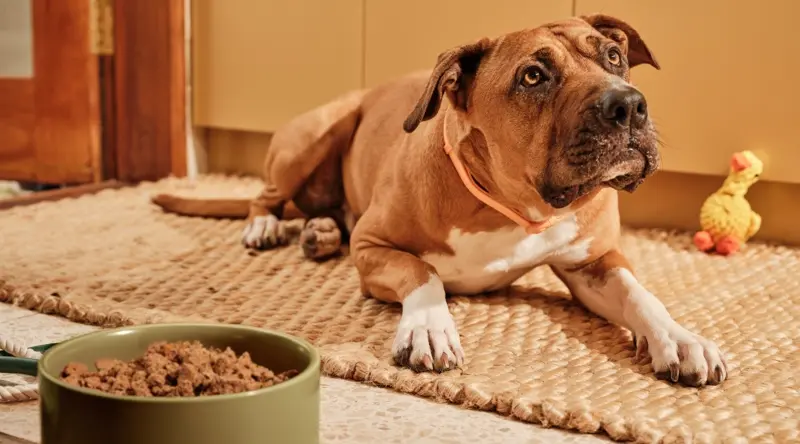
5. Nourish their body to support their mind
Food does more than fill the bowl. It’s one of the most powerful ways to care for your dog — and too often, it’s overlooked.
From a veterinary perspective, what your dog eats influences:
Brain function, mood, and behaviour
Gut health
Energy regulation
Skin, coat and immune health
Weight management
A diet made from real food ingredients supports dogs from the inside out — helping them feel comfortable, balanced and resilient in their bodies.
Thoughtful nutrition is a simple, daily act of care that your dog feels long before they show it.
6. Be a calm, steady presence
Dogs look to their humans for cues about the world. Your response in uncertain or stressful moments shapes how safe they feel.
Showing love means:
Staying calm during life changes
Offering reassurance without reinforcing fear
Advocating for your dog in overwhelming situations
Choosing guidance and positive reinforcement over punishment
When your dog trusts that you’ll protect them — emotionally and physically — they’re able to relax into the relationship.
)
Every dog shows love differently
Just like people, dogs are individuals. Their preferences are shaped by genetics, early experiences, and temperament.
Some dogs seek closeness, others prefer to show affection through play, shared routines or quiet companionship. Paying attention to your dog’s signals — and responding with empathy — builds a bond based on understanding and respect, not assumptions.
Love, from a dog’s perspective
Loving your dog doesn’t have to be about grand gestures. It’s about knowing your dog and meeting their needs with care, consistency, and knowledge.
When you provide safety, routine, enrichment and nourishing food, you’re showing love in ways dogs genuinely understand, supporting their wellbeing every day.
That’s what builds a bond that lasts a lifetime.
Lyka: love in a bowl
Every dog has their own way of showing love, and understanding what makes your dog feel safe, seen and supported is key to building a deep, lasting bond.
When you meet their needs with care, consistency, and knowledge, from daily routines to nourishing food, you’re speaking their love language in the way it matters most.
Lyka’s gently cooked meals are designed by Board-Certified Veterinary Nutritionists and made with real food to support your dog’s wellbeing from the inside out. Because love isn’t about doing more, it’s about doing what matters.
)

)
)
)
)
)