)
)
Peer-reviewed: Fresh feeding can improve gut microbiome diversity, digestion, and post-meal response in dogs
Dogs fed a minimally-processed fresh diet showed a more diverse gut microbiome, better stool quality, and a lower post-meal glucose response than dogs fed extruded kibble in a new peer-reviewed study. The findings add to growing research exploring how processing may influence what food does in the body.
Why this study matters
Most commercially available dog food meets established nutritional standards. But those standards primarily assess what goes into the food.
This study from the University of Sydney, published in Frontiers in Veterinary Science, asked a different question:
Do dogs respond differently to fresh and kibble diets?
Complete and balanced on paper doesn’t always mean the diet interacts with the body in the same way.
Key findings
1. A more diverse gut microbiome
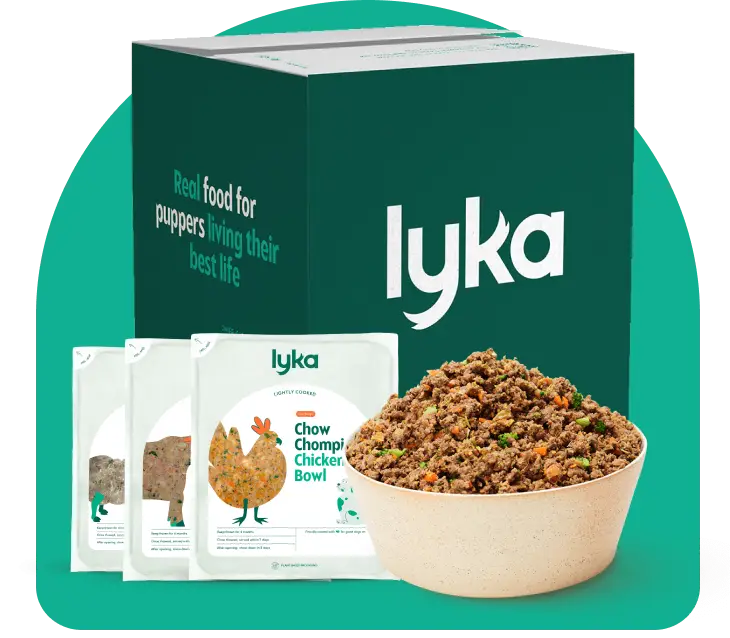
Alpha diversity (richness and evenness) was significantly higher on Lyka’s Chicken Bowl compared to when the dogs were fed kibble, with diet identified as the strongest predictor of microbial response (p < 0.001).
)
What this means
A more diverse microbiome is a sign of a stable and resilient digestive environment. It’s linked to immune function, improved pathogen resilience, and metabolic health.
2. Better stool quality
Faecal consistency was better on Lyka's Chicken Bowl compared to kibble and baseline (FCS 2.24 vs 2.87; p=0.005), with owner-reported scores closest to the clinical ideal range.
)
What this means
Stool quality is one of the most practical, observable indicators of digestive health. These findings suggest the diet was well tolerated and supported normal digestive function.
3. Lower post-meal glucose
Dogs on Lyka had significantly lower post-prandial blood glucose area under the curve (p=0.009), lower peak glucose (p=0.007), and an earlier peak (p=0.005).
)
What this means
After eating, the body’s response can vary depending on the type and structure of food. This may be relevant to long-term metabolic health and patients at risk of insulin resistance.
4. Metabolic and satiety support
PYY and GIP were significantly lower on Lyka across all dogs (p<0.05, p<0.001). When fed kibble, fasting ghrelin and leptin trended higher.
)
What this means
These findings suggest that kibble is less satiating per calorie and may indicate differences in metabolic efficiency, though longer-term studies are needed.
“As more Australians treat pets like family and look for healthier food choices, the findings mark an important milestone in understanding what dogs truly thrive on.”
– Lyka Co-Founder and veterinarian Dr Matthew Muir
How the study was conducted
This was a randomised cross-over study, meaning each dog received both diets in sequence. This design helps reduce variability between individual dogs.
Additional strengths
Dogs stayed at home rather than in the lab, reflecting real-world feeding conditions
Stool quality was assessed using a validated scoring system
Gut microbiome analysis used 16S sequencing to catch an accurate snapshot of the bacteria living in the gut (not just the ones that grow well in a lab culture)
Data were analysed using mixed-effects modelling, accounting for individual variation
Diet was identified as the strongest predictor of microbiome changes, even when accounting for differences between dogs.
Study at a glance
Design: Randomised cross-over study
Population: 23 healthy adult dogs (18 breeds)
Setting: Home environment (not kennelled)
Diets compared: Minimally processed fresh diet vs extruded kibble
Duration: 2 weeks per diet (with transition period)
Outcomes measured:
Gut microbiome composition
Stool quality
Post-meal glucose response
Satiety-related hormones
Who conducted the research
The study was led by researchers from the University of Sydney, including teams based at the Charles Perkins Centre and the School of Life and Environmental Sciences.
It was peer-reviewed and published in Frontiers in Veterinary Science, meaning the methodology and findings were independently assessed by other scientists before publication.
This study demonstrates measurable differences in response to two diets over a short-term period. As with all nutrition research, longer-term studies are needed to further explore how these findings translate over time.
What this means in practice
For veterinary professionals
These findings contribute to a growing body of evidence exploring the relationship between diet format, the gut microbiome, and metabolic responses in dogs.
While this was a short-term study, the results support further investigation into how minimally-processed diets impact a dog’s biology.
For pet parents
This study highlights that food choice is not only about meeting nutritional requirements, but also about how a dog’s body responds to that food.
The findings are consistent with observable outcomes many pet parents track day-to-day, including:
Stool quality
Digestive comfort
Post-meal behaviour and energy patterns
“What comes out the other end can tell us a lot about what’s happening inside. Consistently healthy stools are often a sign of good digestive function, and this study shows fresh food can make a meaningful difference in a relatively short period of time.”
– Lyka Co-Founder and veterinarian Dr Matthew Muir
Read the full research
You can access the full study here:
“Diet-induced metabolic and faecal microbiome responses in pet dogs fed a minimally processed versus extruded kibble diet” Published in Frontiers in Veterinary Science
DOI: https://doi.org/10.3389/fvets.2026.1734572
Explore Lyka’s approach to nutrition
Lyka meals are formulated to provide complete and balanced nutrition using fresh, minimally processed ingredients.
Our meals are developed with Board-Certified Veterinary Nutritionists and gently cooked at low temperatures to help preserve nutrient integrity and digestibility. Every recipe is AAFCO complete and balanced for all life stages and undergoes third-party pathogen testing before release.
Why minimally processed matters
The University of Sydney study explored whether food processing influences how a dog’s body responds to food, beyond whether nutritional requirements are met.
Compared to extruded kibble, dogs fed a minimally processed fresh diet showed:
Higher gut microbiome diversity
Improved stool quality within 2 weeks
Lower post-meal glucose response
Different satiety-related hormone responses
These findings add to growing research exploring how diet format may influence digestion, gut health, and post-meal metabolic responses in dogs.
Benefits of fresh nutrition
Lyka’s fresh meals are designed to support:
Healthy digestion and stool quality
A balanced and diverse gut microbiome
Healthy body condition and lean muscle maintenance
Healthy skin and coat through balanced omega fatty acid profiles
Our meals are also highly digestible (>90%) and portioned to support optimal body condition.
“The study is part of a long term commitment to lifting standards across the industry through transparency, accountability and evidence-led innovation. We believe Australians deserve better for their dogs and our commitment to investing $10 million into scientific research by 2030 reflects our ambition to help raise the bar for the entire pet food category.”
– Lyka Co-Founder and veterinarian Dr Matthew Muir
Work with us
Veterinary professionals
Interested in learning more about our research, formulations, or partner program?
Provide your details below to access educational resources and speak with our veterinary partnerships team.
Get in touch